We use cookies on our website.
Some of them are necessary for the functioning of the site, but you can decide about others.


Sultan Sandur is a Punjabi Canadian writer, content strategist and communications professional based in Toronto. His work spans travel, hospitality, culture and digital media. He is the founder of @JustSultanTO, an independent travel and lifestyle platform. His writing focuses on luxury travel, destination identity and the evolving hospitality and tourism landscape.
Guatemala is preparing to welcome more Canadian visitors as Air Canada launches year-round nonstop service from Toronto to Guatemala City, the country’s capital, in December, adding a second Canadian gateway to a country known for its Maya heritage, volcanoes, and Indigenous communities.
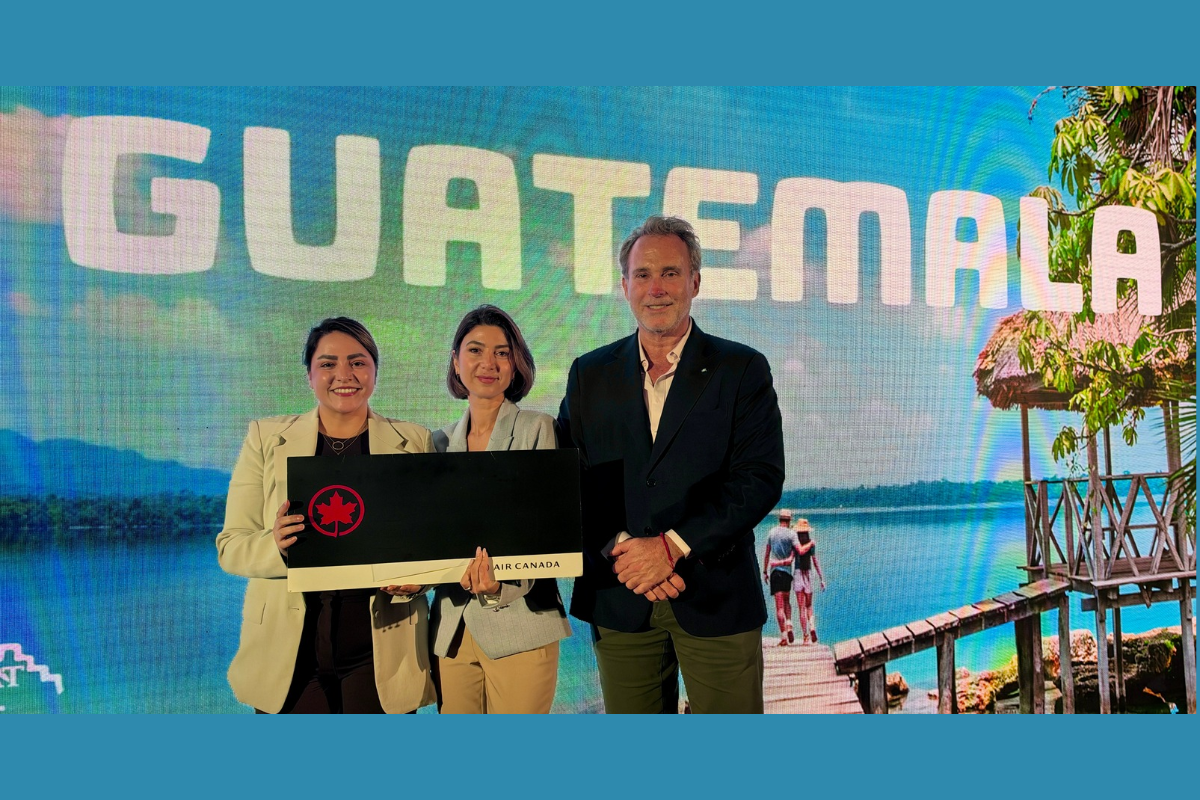
Approximately 70 Canadian travel advisors, tourism partners, and members of the media gathered at W Toronto on Monday evening (Oct. 26) for a destination showcase hosted by the Guatemalan Tourism Institute (INGUAT).
Images of Guatemala's volcanic landscapes, ancient Maya temples, and colourful colonial streets set the scene for the evening.
Harris Whitbeck, director general of INGUAT and Minister of Tourism, sees the new connection as an opportunity to introduce travellers to experiences beyond the country’s best-known archaeological sites.
“We offer nature and adventure and a beautiful Pacific beach, but we offer 3,000 years of history, and we offer a culture that’s made up of 25 different cultures, which are vibrant and visible. So the richness of our culture, I mean, you can just feel it on your skin, and I think that’s what makes it so different,” he told PAX.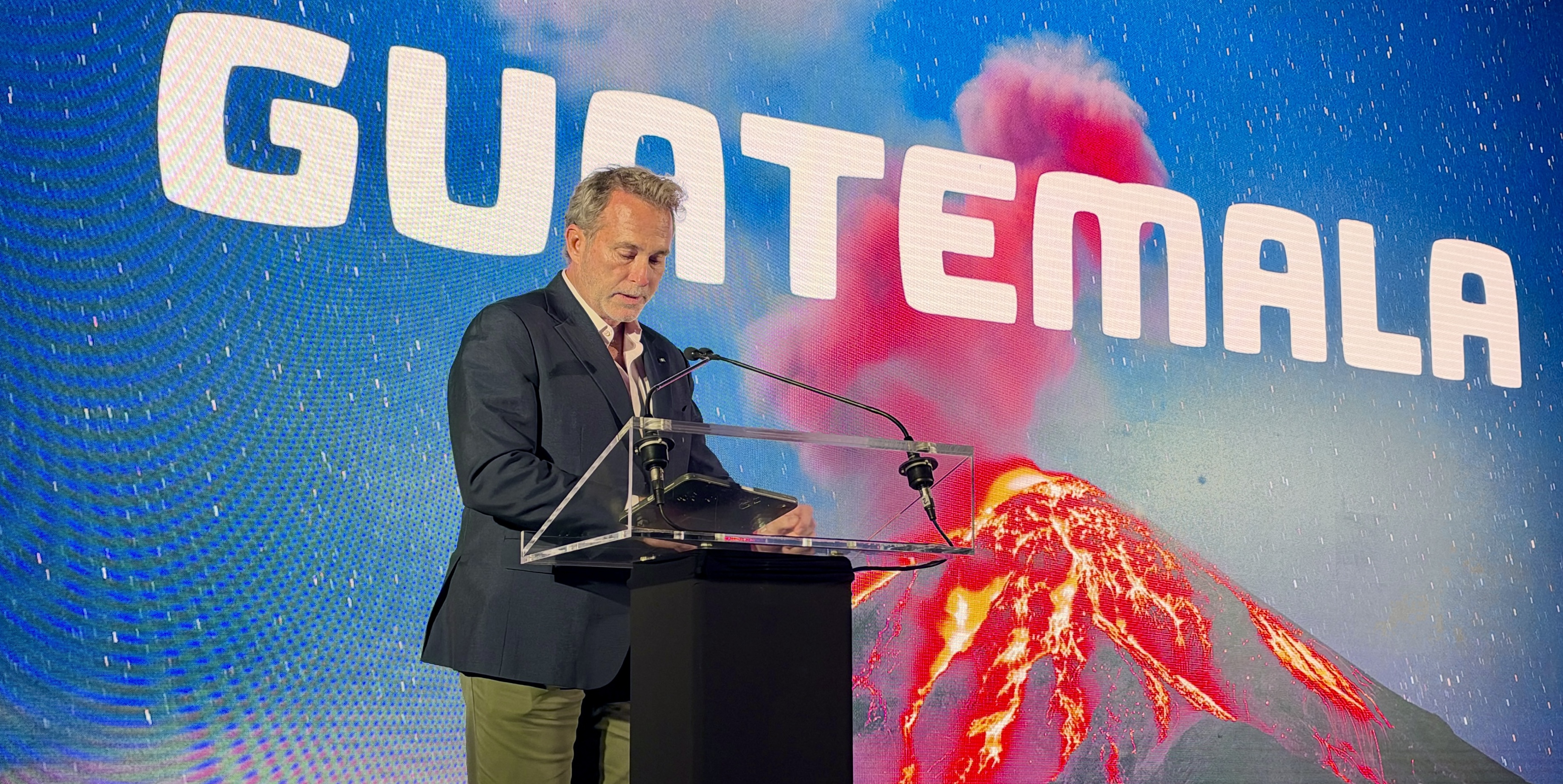
The Toronto–Guatemala City route is scheduled to launch in December 2026, operating once weekly year-round.
Air Canada’s Montreal service, introduced in 2025, has also transitioned to year-round operations, with three weekly flights during winter and two during summer. Together, the routes will provide four weekly nonstop departures from Canada during winter.
Shabnam Esfahani, partner, specialty sales at Air Canada, told PAX that Montreal’s performance helped support the Toronto launch.
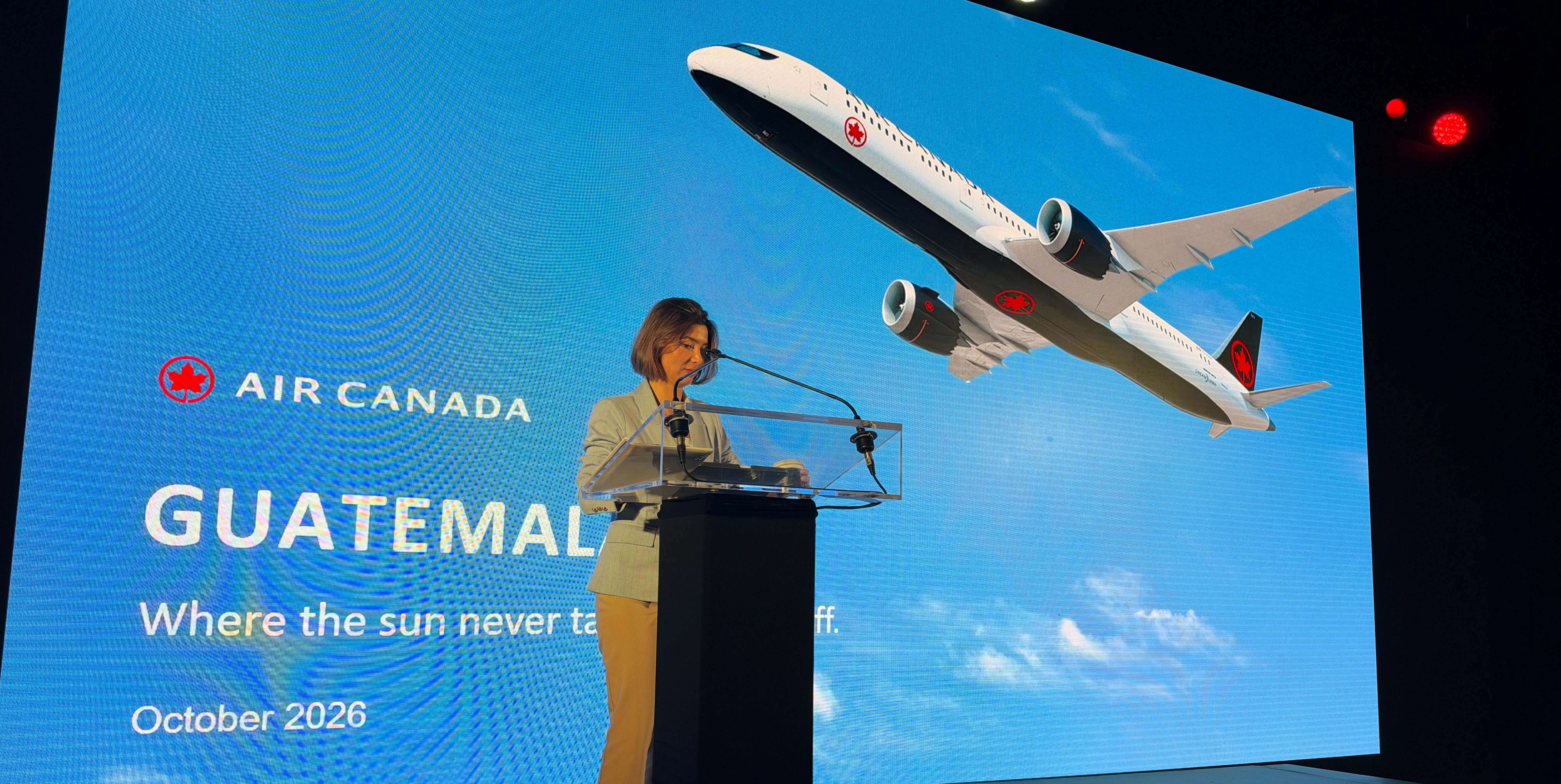
Demand has been encouraging among leisure travellers, groups and passengers visiting friends and relatives. The airline is also seeing European travellers connect through Canada to reach Guatemala.
According to INGUAT, European visitor arrivals have increased 14 per cent since the launch of the Montreal route.
Esfahani said additional Toronto frequencies could be considered as demand develops, subject to aircraft availability.

INGUAT projects 49,320 Canadian visitors in 2026 and 60,209 in 2027, representing projected growth of 22.1 per cent next year.
Canadian arrivals increased 20 per cent between January and September 2026 compared with the same period in 2025.
Canadian visitors spend an average of 14.4 days in Guatemala, according to INGUAT, giving advisors room to build itineraries across several regions.
Whitbeck said Guatemala has introduced 15 new international air routes since 2024, reflecting efforts to improve access to the destination.

From volcanic hikes to ancient Maya cities and Pacific coast surfing, Guatemala offers experiences that extend beyond a traditional sun vacation.
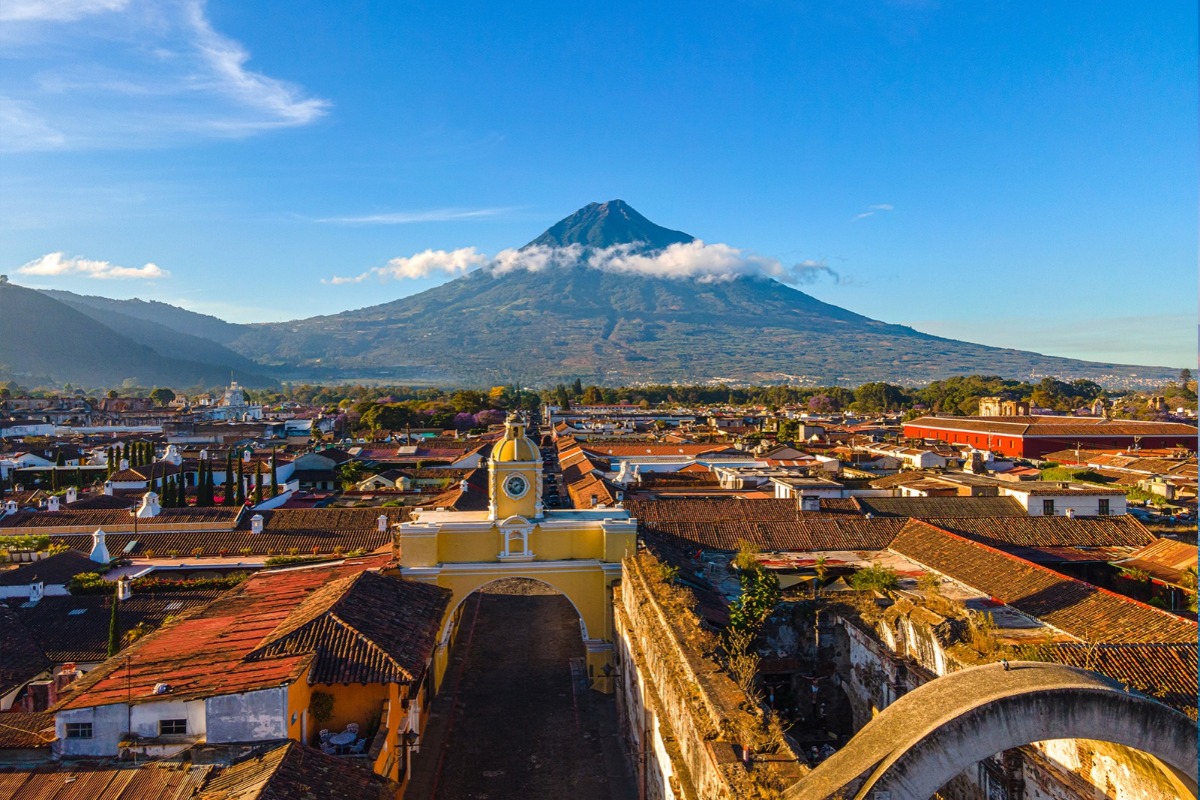
Guatemala City offers museums, galleries and a growing culinary scene, while nearby Antigua Guatemala, a UNESCO World Heritage city, is known for its colonial architecture, boutique hotels, coffee farms and destination weddings.
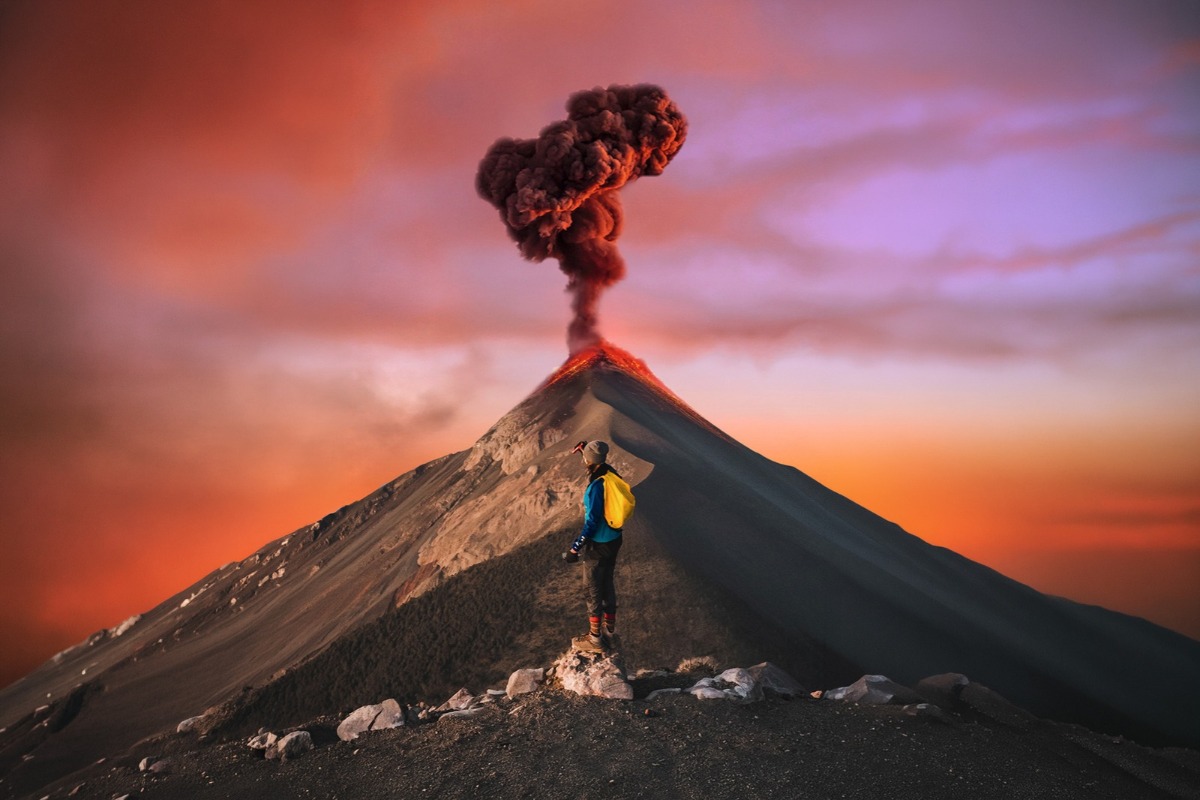
Adventure travellers can hike Acatenango volcano, where views of neighbouring Fuego’s volcanic activity are possible when conditions permit.
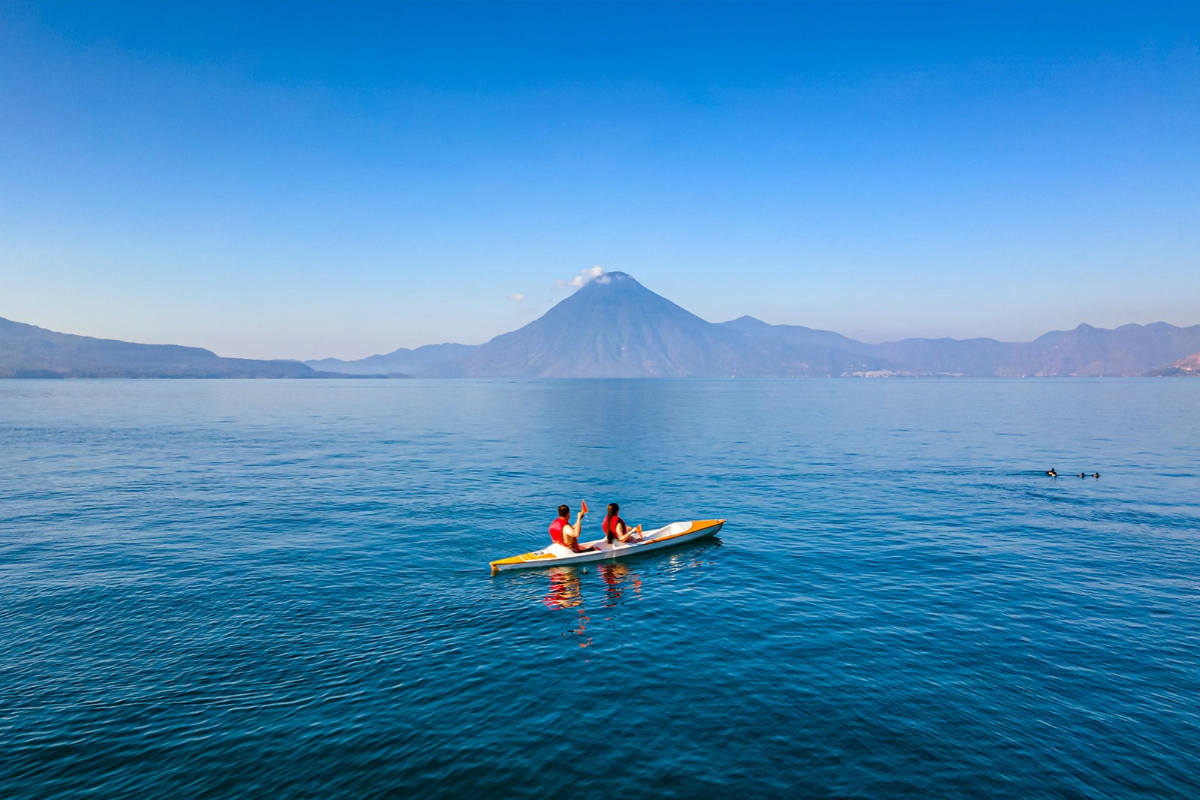
Further west, Lake Atitlán combines lakeside villages, Indigenous cultural experiences, weaving cooperatives and wellness retreats.
In northern Guatemala, Petén is home to Tikal, where ancient Maya temples rise above the rainforest. The site provided the backdrop for the Rebel Alliance’s base in the original 1977 Star Wars film, which celebrates its 50th anniversary in 2027.
Whitbeck also pointed to El Paredón, a Pacific coast community attracting surfers and visitors interested in smaller hotels and restaurants.
These experiences reflect what Whitbeck described as growing interest in "new luxury", where cultural immersion and connections with local communities take precedence over traditional resort amenities.
A new community-led hiking network in the highlands of Quiché is among Guatemala’s upcoming tourism developments.
Inspired by Spain’s Camino de Santiago, Camino del Tiempo, or the Path of Time, is expected to open its first 20 kilometres in November.
The route will connect travellers with Maya heritage, local food, spirituality, and mountain landscapes while supporting guides, artisans, and family-run businesses.
“What Guatemala offers, and what makes it so different as a destination, is the authenticity, and that authenticity only comes when communities are directly involved and have a very strong say in how they want to receive visitors,” Whitbeck said during the presentation.
The initiative also has personal significance for Whitbeck, who travelled through Quiché approximately 40 years ago while assisting Canadian journalists covering Guatemala’s civil war.
Four decades later, the region is preparing to welcome visitors through a tourism project shaped by local communities.
Asked by PAX what Canadian travel advisors should tell clients who have concerns about safety in Guatemala, Whitbeck addressed the country’s reputation.
“Security and safety is a lot about perception, and we are obviously well aware of the perception of insecurity,” he said.
Whitbeck said Guatemala welcomed more than three million visitors in 2025 and recorded fewer than 80 reported incidents involving tourists, citing INGUAT’s monitoring of visitor safety. He described the incidents as primarily involving thefts of items such as mobile phones.
PAX could not independently verify the incident figures or the scope of the reporting.
Whitbeck also highlighted ASISTUR, Guatemala’s tourism assistance program, which offers a 24-hour bilingual hotline and WhatsApp support for visitors.
The program provides a local point of contact for travellers who need assistance while the Government of Canada’s travel advisory offers Canadian advisors current safety guidance and information about regional precautions.
INGUAT’s official website offers destination information and interactive itinerary-planning tools, including AI-assisted features.
The institute also organizes familiarization trips and maintains a list of registered destination management companies to help advisors arrange local experiences and transportation. Advisors can access additional destination training through Guatemala Insider.
“The best way to really start selling Guatemala is to visit it and to see it for yourself,” Whitbeck told PAX.
He believes firsthand experiences can also help Canadians see a different side of the country.
“Guatemala’s story has never been properly told, and that’s what we’re doing,” he said.
Don't miss a single travel story: subscribe to PAX today! Click here to follow PAX on Facebook.